Tracked from U.S. Energy Information administration data & operator announcements
Retirementchanges
Retirement date changes
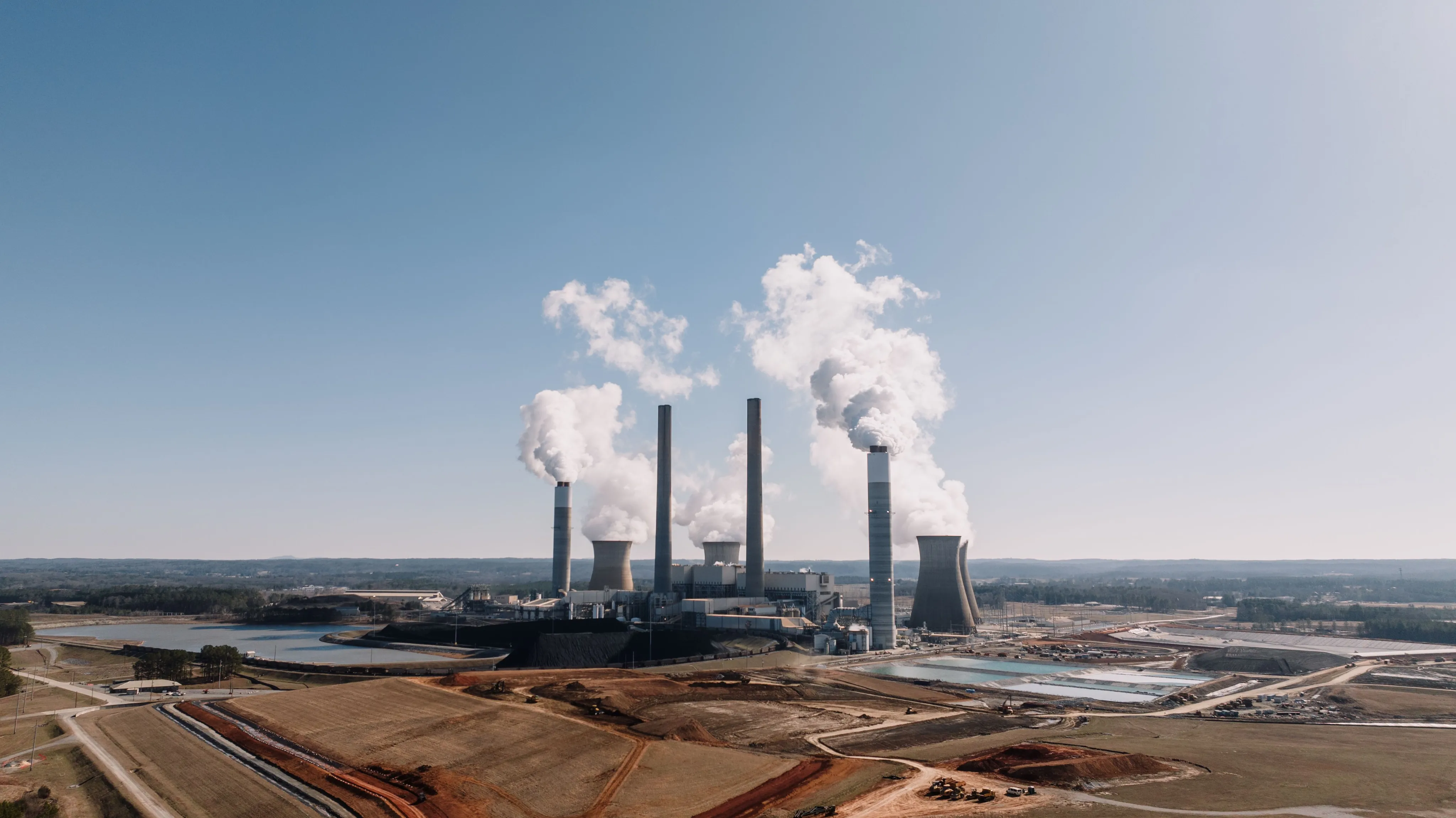
Many coal-fired power plants are continuing to operate past their prior planned retirement dates or are moving their retirement dates back.
11
Plants with new retirement dates
16
Units with new retirement dates
How the coal industry is benefiting
Coal plants make operational decisions about when to retire years in advance to allow sufficient time for planning replacement capacity. Plants across the country are now continuing to operate past their scheduled retirement dates and pushing back their retirement dates. Only 2.6 gigawatts of coal-fired capacity shuttered in 2025, the lowest amount in the past 15 years, according to an April report from the U.S. Energy Information administration.
While many of these extensions in retirement dates cannot be attributed to specific policy decisions (and may in some cases be due to market forces), the Trump administration actions described in this webpage were specifically requested by the coal industry to provide support for existing coal plants.
The Trump administration has also directly attacked state and local plans to rely on coal plant retirements to reduce harmful soot and smog-forming pollution under the Regional Haze program, a Clean Air Act provision that calls on states to develop plans to lower pollution that could contribute to haze at U.S. National Parks and protected lands. The Trump administration has disapproved Colorado’s plans under this program, ignoring the state’s carefully crafted decisions to reduce haze pollution by retiring no longer needed coal plants and pursuing more affordable and cleaner sources of replacement power.

Every date that moved
Original → current retirement date per unit group. Source: U.S. Energy Information administration Electric Power Monthly & operator announcements.
- J H Campbellunits 1, 2, 35/202511/14/2026+18 mo
- Comanche (470)unit 212/202512/2026+12 mo
- Craigunit C112/202512/25/2026+12 mo
- F B Culley Generating Stationunit 212/202512/18/2026+12 mo
- R M Schahfer Generating Stationunits 17, 1812/202512/18/2026+12 mo
- Centraliaunit BW2212/202512/11/2026+12 mo
- South Oak Creekunits 7, 812/202612/2027+12 mo
- Curtis H. Stanton Energy Centerunit 112/202511/30/2026+11 mo
- Allen S Kingunit 11/202812/2028+11 mo
- Brandon Shoresunits 1, 205/202906/2029+1 mo
- Marshallunit 212/203412/2028−6 yrs
- Retirement date moved later
- Retirement date moved earlier
Positive numbers represent retirement dates that were delayed and negative numbers represent retirement dates that were made earlier. Click a line for the plant file.
Every unit with a delayed retirement (16)
| Unit | Notes | |||||
|---|---|---|---|---|---|---|
| Comanche (470) | 2 | CO | 370 | 12/2025 | 12/2026 | Delayed retirement by 1 year due to outage at unit 3 |
| Craig | C1 | CO | 446 | 12/2025 | 12/25/2026 | 202C Order (being challenged by coalition) |
| Curtis H. Stanton Energy Center | 1 | FL | 464.6 | 12/2025 | 11/30/2026 | — |
| F B Culley Generating Station | 2 | IN | 100 | 12/2025 | 12/18/2026 | 202C Order |
| R M Schahfer Generating Station | 17 | IN | 423.5 | 12/2025 | 12/18/2026 | 202C Order |
| R M Schahfer Generating Station | 18 | IN | 423.5 | 12/2025 | 12/18/2026 | 202C Order |
| Brandon Shores | 1 | MD | 785 | 05/2029 | 06/2029 | Updated in Jan 2026 data |
| Brandon Shores | 2 | MD | 785 | 05/2029 | 06/2029 | Updated in Jan 2026 data |
| J H Campbell | 1 | MI | 265 | 5/2025 | 11/14/2026 | Multiple 202C Orders |
| J H Campbell | 2 | MI | 385 | 5/2025 | 11/14/2026 | Multiple 202C Orders |
| J H Campbell | 3 | MI | 871 | 5/2025 | 11/14/2026 | Multiple 202C Orders |
| Allen S King | 1 | MN | 598.4 | 1/2028 | 12/2028 | — |
| Marshall | 2 | NC | 350 | 12/2034 | 12/2028 | — |
| Centralia | BW22 | WA | 730 | 12/2025 | 12/11/2026 | 202C Order |
| South Oak Creek | 7 | WI | 317.6 | 12/2026 | 12/2027 | — |
| South Oak Creek | 8 | WI | 324 | 12/2026 | 12/2027 | — |
How we track it
- Retirement changesMethodology
- Retirement changesEIA Electric Power Monthly, table 6.6 or EIA form 860: 2025 data (opens in a new tab)
The other four metrics we are tracking
DOE Coal Plant Mandates
DOE 202(c) orders.
Orders forcing aging, unreliable plants to keep running past their planned retirements due to so-called “energy emergencies.”
6 facilitiesPolluter passes for mercury and air toxics
Clean Air Act exemptions.
Free passes to get out of complying with 2024 standards for mercury and other toxic air pollutants like arsenic, nickel, and chromium (which have now been repealed for all coal plants).
70 facilitiesDOE money
Direct Department of Energy funding.
Nearly a billion dollars in public funds to directly support highly-polluting facilities.
24 facilitiesMust-run agreements
Requirements proposed by an Independent System Operator and approved by FERC that keep a retiring coal plant temporarily online for reliability purposes. Ratepayers pay to keep these plants open, often at a high price.
1 facility