Clean Air Act §112(i)(4)
Polluterpasses
Clean Air Act presidential exemptions
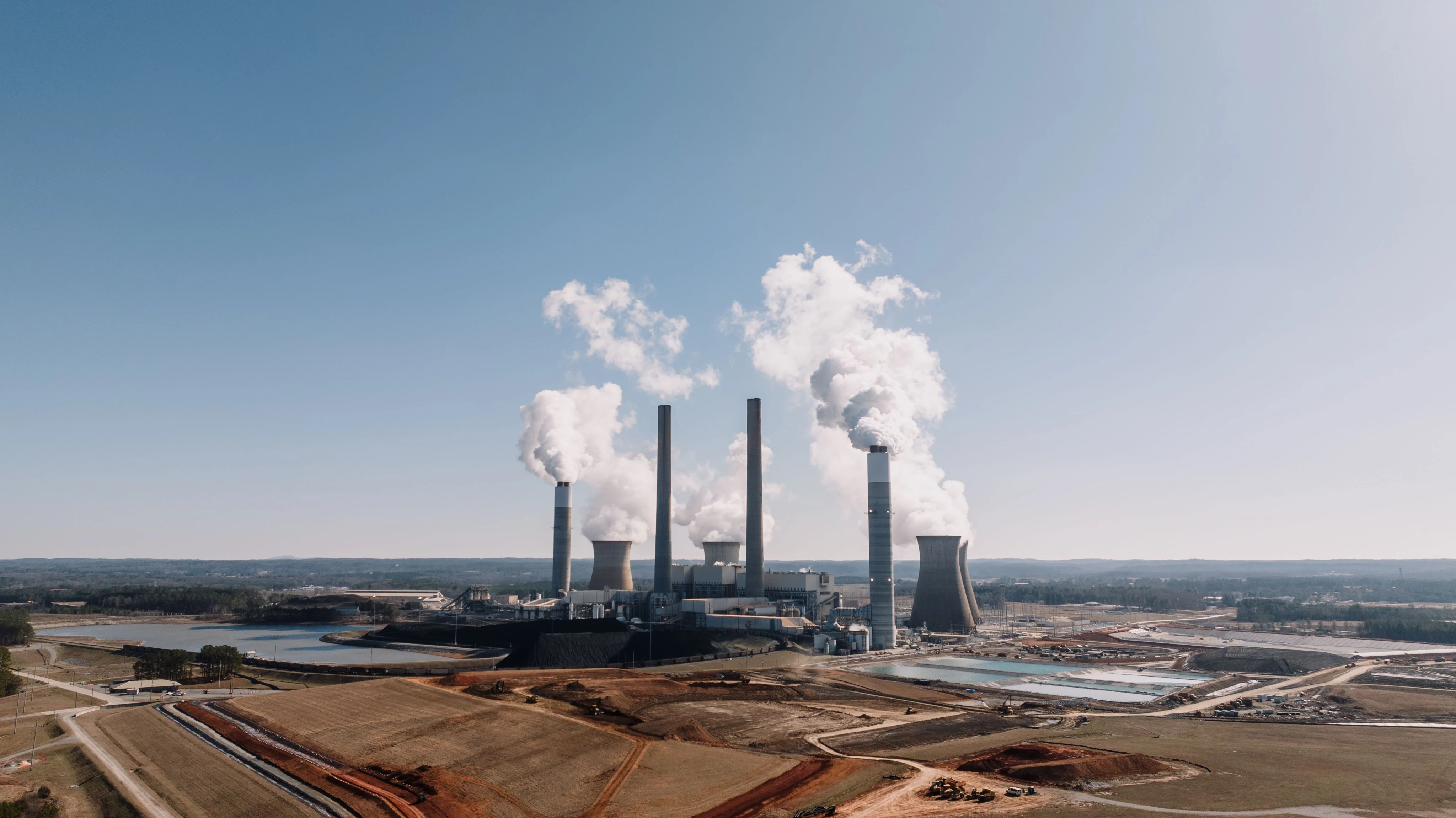
Coal plants across the country have received presidential exemptions from complying with the 2024 strengthening of the Mercury and Air Toxics Standards (MATS), which the Trump administration repealed earlier this year.
70
Plants
154
Units
24
States
How the coal industry
is benefiting
In March 2025, U.S. Environmental Protection Agency Administrator Lee Zeldin invited industrial sources of pollution, including coal-fired power plants, to request a presidential exemption from complying with clean air standards by simply sending an email to EPA.
Nearly every plant that asked for an exemption received one. These exemptions allowed 154 units across 70 coal-fired power plants in 24 states to avoid complying with the 2024 Mercury and Air Toxics Standards (MATS), which strengthened pollution standards and monitoring requirements for toxic pollution emitted by coal-fired power plants. In many cases, the Trump administration granted these exemptions even where coal plant operators had not asked for them or had stated they could comply. In February 2026, the Trump administration repealed the 2024 Mercury and Air Toxics Standards for all coal plants.
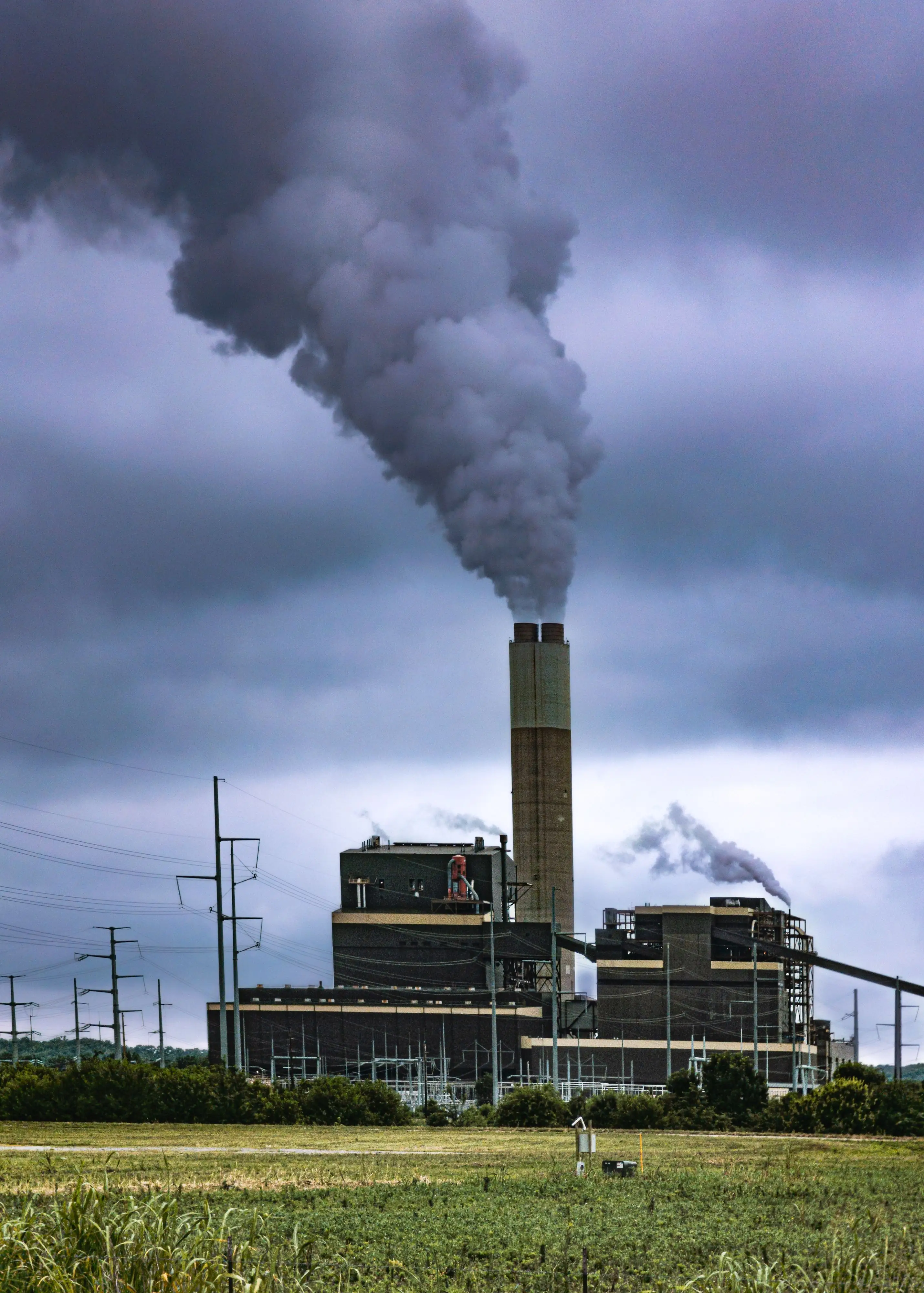
Coal-fired power plants remain one of the nation’s largest sources of mercury and other hazardous air pollutants. The 2024 update to the Mercury and Air Toxics Standards would have helped keep that pollution out of our air, water, and food, and would have delivered:
Up to $420M
In monetized health and climate benefits
through 2037
The updated standards would have provided additional nonmonetized but critical health benefits from reductions in hazardous air pollution, including lowering mercury concentrations in the fish people eat and protecting people from associated health harms like neurodevelopmental problems, heart, lung and kidney damage, and cancer
Exempted units by state
Click a state to open it in the explorer.
Every exempted unit (154)
1–15 of 154
How we track it
- Polluter PassMethodology
- Polluter PassCoal plant exemptions request fact sheet (opens in a new tab)
- Polluter PassPollution Pass Map (opens in a new tab)
The other four metrics we are tracking
DOE Coal Plant Mandates
DOE 202(c) orders.
Orders forcing aging, unreliable plants to keep running past their planned retirements due to so-called “energy emergencies.”
6 facilitiesDOE money
Direct Department of Energy funding.
Nearly a billion dollars in public funds to directly support highly-polluting facilities.
24 facilitiesMust-run agreements
Requirements proposed by an Independent System Operator and approved by FERC that keep a retiring coal plant temporarily online for reliability purposes. Ratepayers pay to keep these plants open, often at a high price.
1 facilityRetirement changes
Changes in coal plants’ previously announced retirement plans (which may occur as a result of economic factors, policy changes or other causes).
11 facilities