Federal Power Act §202(c)
DOE Coal PlantMandates
DOE 202(c) orders
The Trump administration is using a provision meant for true national emergencies to justify forcing aging, unreliable plants to keep running.
6
Plants under orders
9
Units past retirement dates
24
90-day orders issued back-to-back
$593M
Cost to ratepayers incurred so far
How the coal industry is benefiting
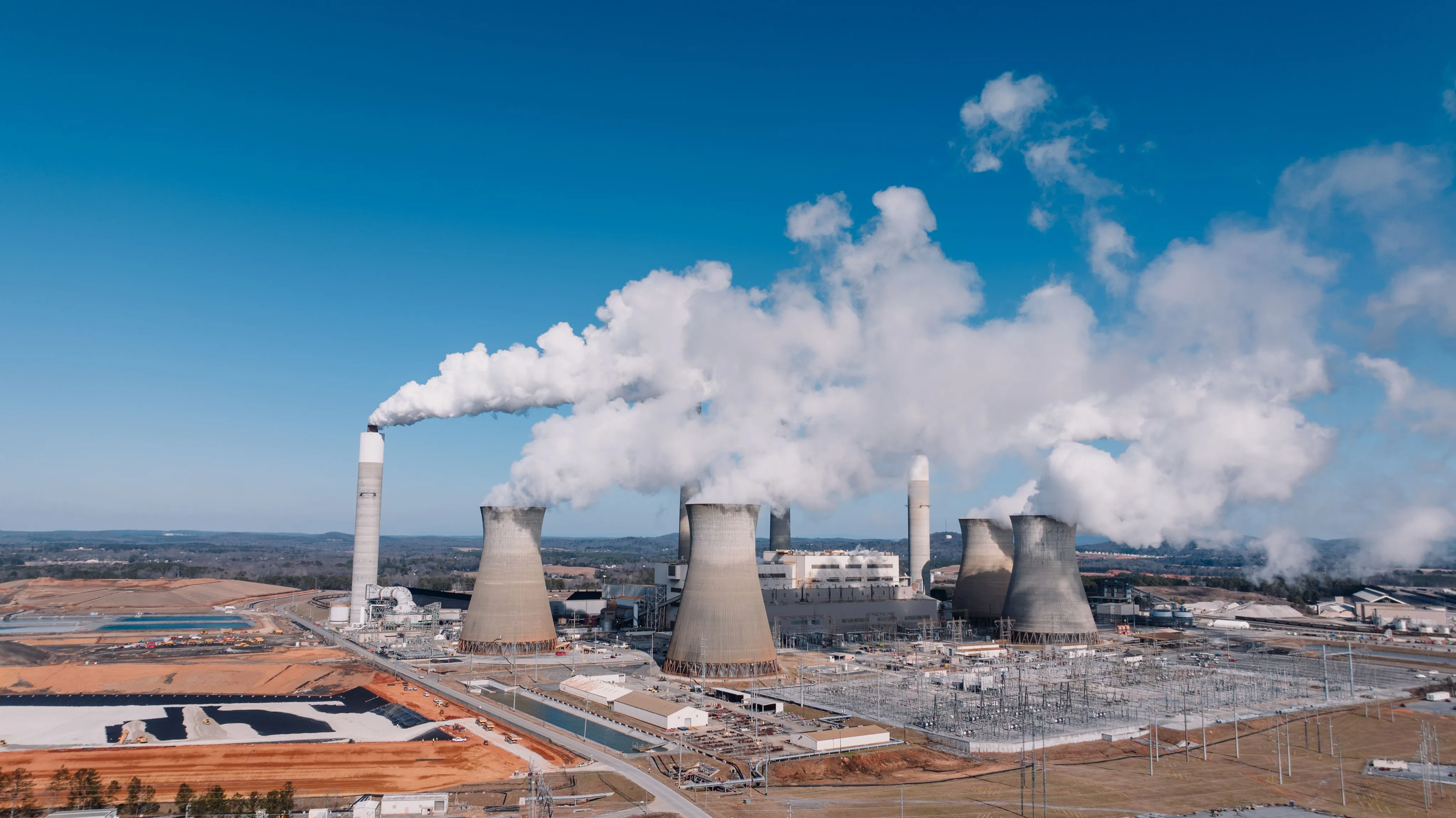
On his first day in office in 2025, President Trump declared a so-called “national energy emergency,” and the Department of Energy has repeatedly issued 202(c) orders – “grid emergency” orders – to keep aging, dirty power plants online. The Trump administration is unlawfully using emergency orders to force power plants to run, even if they were otherwise shut down or scheduled to retire.
Many of the coal plants targeted by these mandates have broken down when they were supposedly most needed for a "grid emergency." One of the Indiana coal units, which the administration ordered to keep operating last December, has been broken down since July of last year. The Craig coal plant in Colorado suffered a costly mechanical failure that kept it offline until late January 2026. The J.H. Campbell coal plant in Michigan, which has been operating under such emergency orders since May 2025, was partially shut down last summer.
However, the Trump administration has re-extended the orders for all of these coal plants anyway, despite the high costs of keeping these old, unreliable plants operational – costs which ultimately fall on ratepayers.
202(c) orders over time
These bars show the length of time a coal plant has been ordered to stay open. Each bar represents one 90-day order and longer sequences of multiple bars represent multiple back-to-back 90-day orders – hover over each bar for details.
Forcing coal plants to run will make communities sicker
These are the estimated health costs of forcing these units to stay online. Estimates are based on EPA’s Co-Benefits Risk Assessment Health Impacts Screening and Mapping Tool (COBRA) modeling of the six coal plants under 202(c) orders with available emissions data from the Clean Air Markets Program Database (CAMPD) during the period of their 202(c) order.
The low and high endpoints are health cost estimates for the period generated using methodological frameworks from two different published studies. They reflect differences in methodology, not a range of best-case to worst-case impacts. Emissions data is through June 30, 2026 and thus likely underestimates the true health harms associated with extending the lives of these coal plants.
$509M–$860.4M
In health damages
In 2023 dollars
Figures are rounded for readability; exact modelled values are shown below. See the full methodology here.
Source: EDF ran EPA’s CO-Benefits Risk Assessment (COBRA) screening model plant by plant; the figures above are those results added together. COBRA is a screening tool, not a full air-quality model: it works at the county level and covers health impacts from fine particles and ozone only — it does not estimate health harms from mercury or other air toxics.
Every unit under a 202c order (9)
| Unit | Latest period | Cost estimate | Order documents | ||||
|---|---|---|---|---|---|---|---|
| Craig | C1 | CO | 446 | 4 | 12/30/25 - 12/25/26 | $84.2M | 1234 |
| Curtis H. Stanton Energy Center | 1 | FL | 464.6 | 2 | 06/04/26 - 11/30/26 | $25.6M | 12 |
| F B Culley Generating Station | 2 | IN | 100 | 4 | 12/23/25 - 12/18/26 | $7.3M | 1234 |
| R M Schahfer Generating Station | 17 | IN | 423.5 | 4 | 12/23/25 - 12/18/26 | $104.7M | 1234 |
| R M Schahfer Generating Station | 18 | IN | 423.5 | 4 | 12/23/25 - 12/18/26 | $104.7M | 1234 |
| J H Campbell | 1 | MI | 265 | 6 | 05/23/25 - 11/14/26 | $313.3M | 123456 |
| J H Campbell | 2 | MI | 385 | 6 | 05/23/25 - 11/14/26 | $313.3M | 123456 |
| J H Campbell | 3 | MI | 871 | 6 | 05/23/25 - 11/14/26 | $313.3M | 123456 |
| Centralia | BW22 | WA | 730 | 4 | 12/16/25 - 12/11/26 | $58.9M | 123 |
How we track it
- DOE Coal Plant MandatesMethodology
- DOE Coal Plant Mandates2025 orders (opens in a new tab)
- DOE Coal Plant Mandates2026 orders (opens in a new tab)
- DOE Coal Plant MandatesSierra Club, Unpacking the Cost of 202c Orders: Facility-Specific Cost Estimates and Methodological Approach (opens in a new tab)
The other four metrics we are tracking
Polluter passes for mercury and air toxics
Clean Air Act exemptions.
Free passes to get out of complying with 2024 standards for mercury and other toxic air pollutants like arsenic, nickel, and chromium (which have now been repealed for all coal plants).
70 facilitiesDOE money
Direct Department of Energy funding.
Nearly a billion dollars in public funds to directly support highly-polluting facilities.
24 facilitiesMust-run agreements
Requirements proposed by an Independent System Operator and approved by FERC that keep a retiring coal plant temporarily online for reliability purposes. Ratepayers pay to keep these plants open, often at a high price.
1 facilityRetirement changes
Changes in coal plants’ previously announced retirement plans (which may occur as a result of economic factors, policy changes or other causes).
11 facilities