Reliability-must-run agreements
Must-runagreements
Reliability-Must-Run agreements
Reliability Must-Run agreements keep a plant that was scheduled to retire open for a defined period of time, often at high costs that fall to ratepayers.
1
Plant under must-run agreement
1.6 GW
Capacity kept online
01/27/25 - 5/31/29
Must-run window
How the coal industry
is benefiting
When an Independent System Operator determines that a plant operator’s decision to shut down an aging and uneconomic coal plant threatens grid reliability, it can enter into a “Reliability Must-Run agreement” with the plant operator, which then has to be approved by the Federal Energy Regulatory Commission. The agreement incentivizes the owner to keep the coal plant temporarily online and allows them to charge ratepayers a premium for its operation.
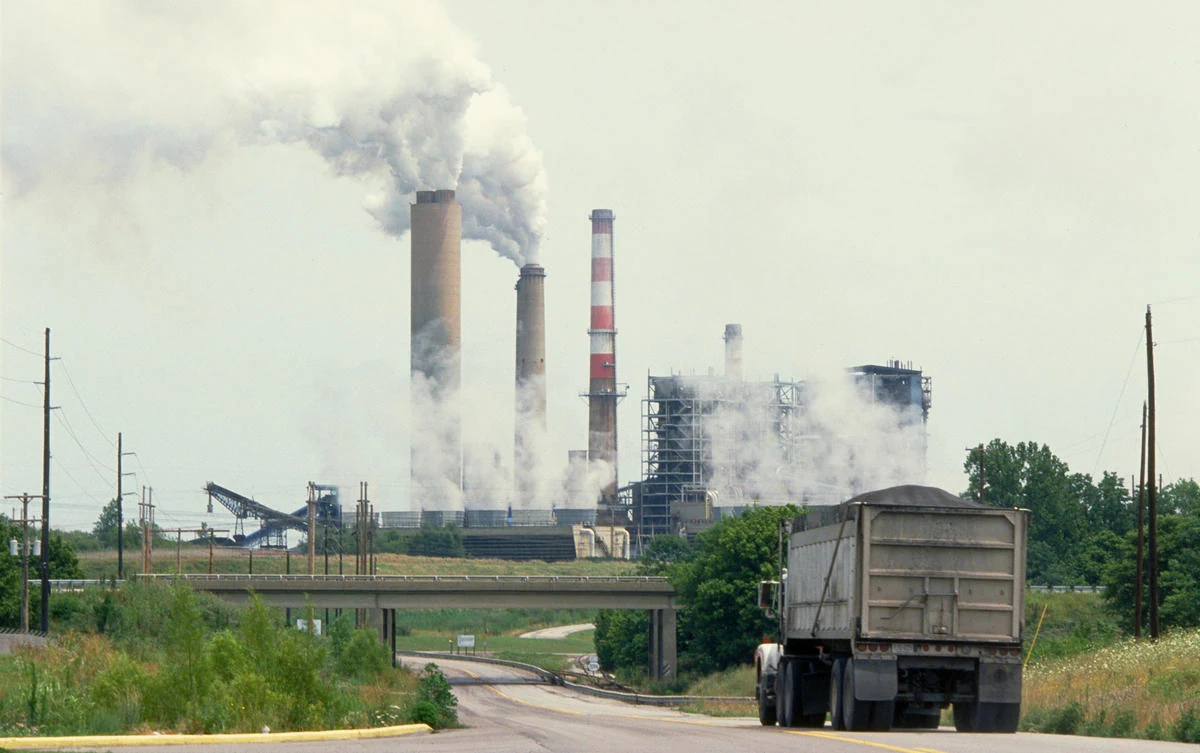
The must-run plant (1)
| State | Operator | Units | RMR terms | Original retirement | Current retirement | ||
|---|---|---|---|---|---|---|---|
| Brandon Shores | MD | Raven Power Fort Smallwood LLC | 2 | 1,570 | 01/27/25 - 5/31/29 | 05/2029 | 06/2029 |
How we track it
- Must-run agreementsMethodology
The other four metrics we are tracking
DOE Coal Plant Mandates
DOE 202(c) orders.
Orders forcing aging, unreliable plants to keep running past their planned retirements due to so-called “energy emergencies.”
6 facilitiesPolluter passes for mercury and air toxics
Clean Air Act exemptions.
Free passes to get out of complying with 2024 standards for mercury and other toxic air pollutants like arsenic, nickel, and chromium (which have now been repealed for all coal plants).
70 facilitiesDOE money
Direct Department of Energy funding.
Nearly a billion dollars in public funds to directly support highly-polluting facilities.
24 facilitiesRetirement changes
Changes in coal plants’ previously announced retirement plans (which may occur as a result of economic factors, policy changes or other causes).
11 facilities